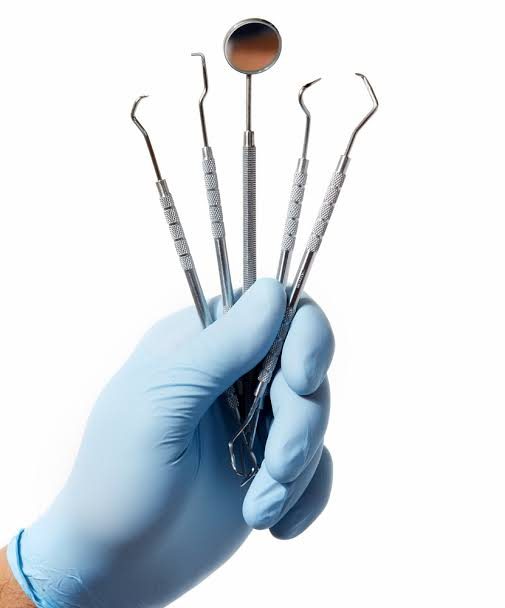
Most people only think about the dentist when a tooth starts to hurt. By then, a problem that could have been fixed simply may already be advanced. Regular check-ups are designed to change that story.
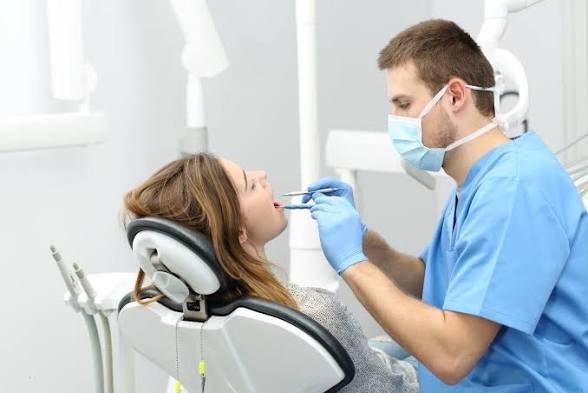
Problems often start silently
Early tooth decay and early gum disease rarely hurt. A small cavity can grow for months without a single symptom, and gums can be inflamed for a long time before you notice anything more than a little bleeding when you brush.
A dentist can see these early signs and often treat them with simple steps before they turn into pain, swelling or tooth loss.
Smaller treatments, fewer surprises
Catching a cavity when it is small usually means a small filling. Waiting until it hurts can mean a bigger restoration or even losing the tooth. Check-ups help you stay on the simple end of that spectrum.
More than just teeth
A check-up also includes a look at your gums, tongue, cheeks and the soft tissues of your mouth. Your dentist is trained to notice changes that you might not see yourself, and to advise you if something should be looked at further.
Personal advice that really helps
Every mouth is different. At a check-up you can ask about the best way to brush, how to clean between your teeth, whether your diet is helping or hurting your teeth, and whether treatments like whitening or braces would suit you.
How often should you go?
Many people benefit from a visit about every six months, but there is no single rule for everyone. If you are prone to cavities or gum problems, your dentist may suggest more frequent visits. If your mouth is very healthy, they may suggest longer gaps.
This article is general information, not a diagnosis. If you have pain or a concern about your teeth, please see a dentist.
Frequently asked questions
Should I go even if nothing hurts?
Yes. Because many problems are painless early on, a check-up is the best way to find them.
What if I am nervous about the dentist?
Tell your dentist. Explaining each step and moving at your pace can make a big difference.