About teeth whitening
Teeth naturally darken or pick up stains over time. Tea, coffee, some foods, smoking, certain medicines and simple ageing can all dull the shade of your smile. Teeth whitening is a cosmetic treatment designed to lighten that shade.
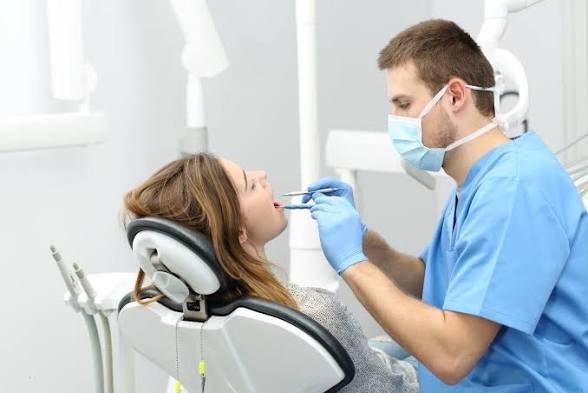
Professional whitening is carried out with the guidance of a dentist, who checks that your teeth and gums are healthy first and explains what whitening can and cannot do for your particular teeth.
What it involves
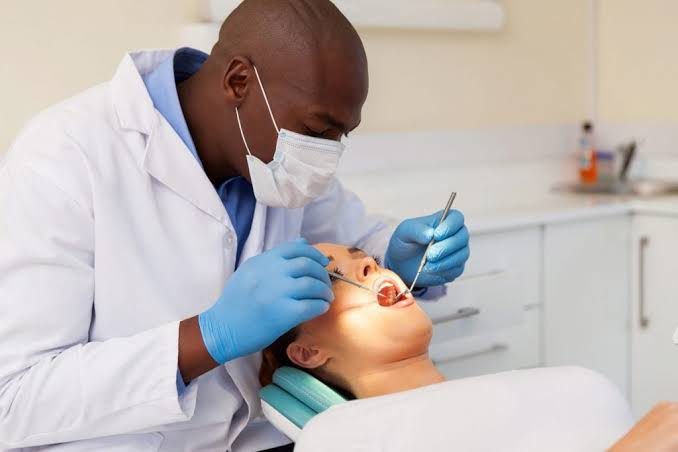
- A short assessment to check that your teeth and gums are healthy enough for whitening.
- Cleaning the teeth first if needed, because plaque and tartar block whitening agents.
- Protecting the gums and soft tissues in the mouth.
- Applying a professional whitening product to the teeth and activating or leaving it on for a set time.
- Rinsing, checking the new shade and giving you aftercare advice.
Benefits
- Can noticeably lighten the shade of natural teeth.
- A relatively quick, non-invasive cosmetic treatment.
- Performed with professional supervision and protection for your gums.
- Can boost confidence for weddings, graduations, interviews and everyday life.
- Your dentist sets realistic expectations so you are not disappointed.
What patients can expect
- Whitening is a cosmetic treatment, and results differ from person to person.
- Some people notice temporary sensitivity in their teeth. Tell your dentist if you have sensitive teeth before you start.
- Existing fillings, crowns and bridges do not whiten, so the shade of natural teeth may end up different from them.
- Your dentist will advise which foods and drinks to limit straight after treatment.
Who it may be suitable for
- Adults with healthy teeth and gums who dislike the shade of their teeth.
- People with surface stains from tea, coffee, kola, tobacco or foods.
- People preparing for an important event who want a fresher smile.
- Those who have had a recent scale and polish and want to go a step further.
Why professional care matters
Over-the-counter and unsupervised whitening products can irritate gums or give uneven results, and they cannot tell whether your stains are on the surface or deeper inside the tooth. Professional care starts with an examination, treats the cause of discolouration properly and keeps your gums protected.
This page is general information to help you understand the treatment. Results vary between patients, and only a dentist can advise what is right for you after examining your teeth.
Frequently asked questions
Is teeth whitening safe?
When carried out by a dentist on healthy teeth and gums, whitening is considered a safe cosmetic treatment. Your dentist will check your mouth first and explain any risks, such as temporary sensitivity.
How long do whitening results last?
It varies. Diet, smoking and oral hygiene all affect how long the brightness lasts. Brushing well, limiting staining drinks and having regular cleanings help to maintain results.
Will whitening damage my enamel?
Professional whitening is designed to lighten the shade without harming healthy enamel when used correctly. Overuse or misuse of strong products can cause problems, which is why supervision matters.
Can I whiten crowns or fillings?
No. Whitening products only affect natural tooth structure. If you have visible crowns or fillings, ask your dentist how they will blend with your new shade.
Should I have my teeth cleaned first?
Often yes. Removing plaque and tartar before whitening lets the product work evenly on the teeth, so many dentists recommend scaling and polishing first.