A brighter smile is one of the most popular cosmetic requests in dentistry. Understanding how whitening works helps you set realistic expectations and choose safely.
Why teeth change colour
Teeth can darken with age, and surface stains build up from tea, coffee, tobacco and some foods. Some stains come from inside the tooth, which can be caused by certain medicines, injury or developmental factors. Different causes respond differently to whitening.
How professional whitening works
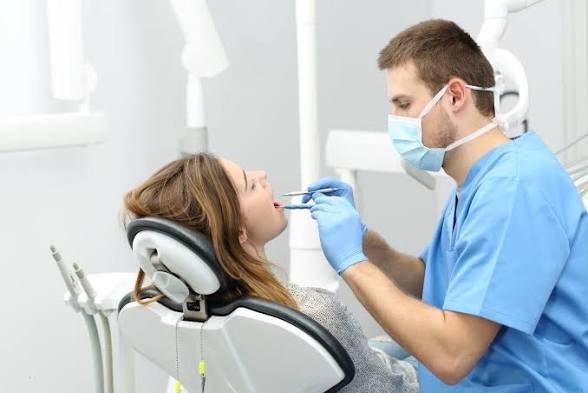
Whitening products contain peroxide-based agents that break down stain molecules in the enamel. In the dental setting, your gums are protected and the product is applied in a controlled way.
What whitening cannot do
It cannot change the colour of crowns, bridges, veneers or most fillings. It also works best on teeth that are healthy, so cavities and gum problems should be treated first.
Sensitivity
Some people feel temporary sensitivity during or after whitening. Tell your dentist if your teeth are already sensitive so that they can advise on the best approach.
Keeping your smile bright
Brush twice a day, clean between your teeth, limit staining drinks, avoid smoking and have regular professional cleanings. These habits slow the return of stains.
This article is general information, not a diagnosis. If you have pain or a concern about your teeth, please see a dentist.
Frequently asked questions
Can I whiten my teeth at home with natural remedies?
Be careful. Some home remedies, such as abrasive or acidic mixtures, can damage the enamel. Ask your dentist for safe advice.
Is whitening permanent?
No. Teeth gradually pick up stains again, but good habits help results last.