About dental check-up
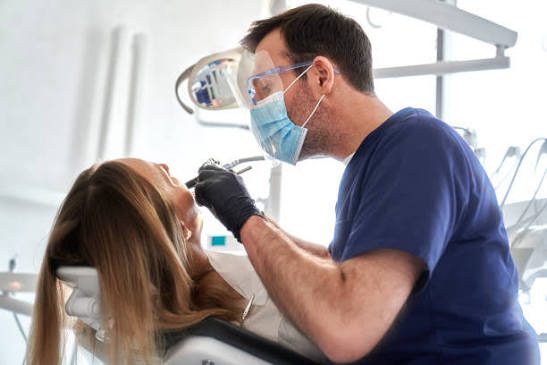
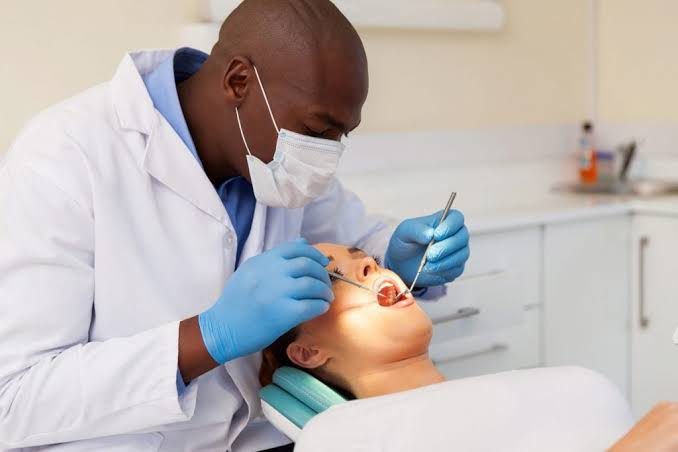
A dental check-up is the foundation of good oral health. During a check-up your dentist examines your teeth, gums and mouth, talks to you about any concerns and gives advice tailored to you.
Many dental problems, such as early decay or gum disease, can develop without pain. Regular check-ups let your dentist catch these early, when treatment is usually simpler.
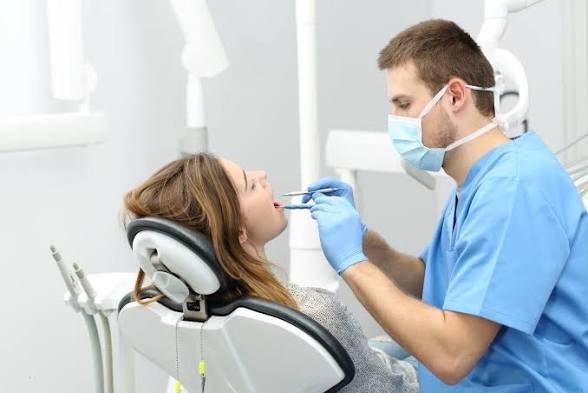
What it involves
- A conversation about your general health, medicines and any problems or pain you have noticed.
- A careful examination of your teeth, looking for decay, cracks, worn areas and old fillings that need attention.
- A check of your gums, tongue, cheeks and the rest of the mouth for any changes.
- Discussion of your brushing, cleaning between teeth, diet and habits.
- A clear recommendation on whether you need any treatment, and a plan for your next visit.
Benefits
- Finds small problems early, when they are easier to treat.
- Helps prevent painful emergencies.
- Gives you personal advice about brushing, cleaning between teeth and diet.
- Lets your dentist monitor changes in your teeth and gums over time.
- Provides peace of mind that your mouth is healthy.
What patients can expect
- The visit is usually relaxed and not long.
- Your dentist explains what they see in plain language.
- You are welcome to ask questions about anything that worries you.
- If treatment is needed, you will be given options and an idea of the steps involved.
Who it may be suitable for
- Everyone, including children, adults and older people.
- People who have not seen a dentist for a long time.
- People with pain, sensitivity, bleeding gums or bad breath.
- Anyone planning whitening, braces, crowns or tooth replacement.
Why professional care matters
Prevention is almost always kinder, simpler and more affordable than treating a problem that has been allowed to grow. A regular check-up is a small investment in your comfort and in keeping your natural teeth for life.
This page is general information to help you understand the treatment. Results vary between patients, and only a dentist can advise what is right for you after examining your teeth.
Frequently asked questions
How often should I have a check-up?
Many people benefit from a check-up about every six months. Your dentist may recommend a shorter or longer interval depending on your oral health.
What should I tell my dentist?
Mention any pain, sensitivity, bleeding gums, bad breath, loose teeth, mouth sores, medicines you take and any health conditions you have.
Does a check-up hurt?
No. A check-up is a gentle examination. If you have a sensitive tooth, tell your dentist so that they can be extra careful.
What questions can I ask at my check-up?
You can ask whether your teeth are healthy, how to brush and clean between them better, whether whitening or braces would suit you, and how to care for any fillings or crowns you have.
I have no pain. Do I still need a check-up?
Yes. Many dental problems, including early decay and gum disease, cause no pain until they are advanced. A check-up finds them sooner.