Good oral hygiene does not need to be complicated. A short, consistent routine protects your teeth and gums every day and makes your dental visits much easier.
Brush twice a day, for two minutes
Brush in the morning and before bed with a fluoride toothpaste. Use gentle circular movements and cover every surface: the outside, the inside and the chewing surfaces of every tooth.
A soft-bristled brush is kinder to your gums. Replace your brush about every three months, or sooner if the bristles are splayed.
Clean between your teeth
A toothbrush cannot reach the tight spaces between teeth, where plaque collects. Use floss or small interdental brushes once a day. If your gums bleed at first, keep going gently: bleeding often improves as the gums become healthier.
Watch what and when you eat
Sugary foods and drinks feed the bacteria that cause decay. It is the frequency that matters most: constant sipping and snacking keeps your teeth under attack. Try to keep sweet foods to mealtimes and drink water between meals.
Do not forget your tongue
Bacteria also collect on the tongue and contribute to bad breath. Gently brushing or scraping your tongue as part of your routine helps keep your mouth fresh.
See your dentist regularly
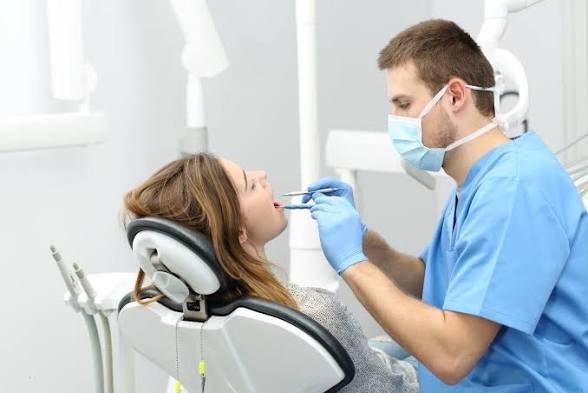
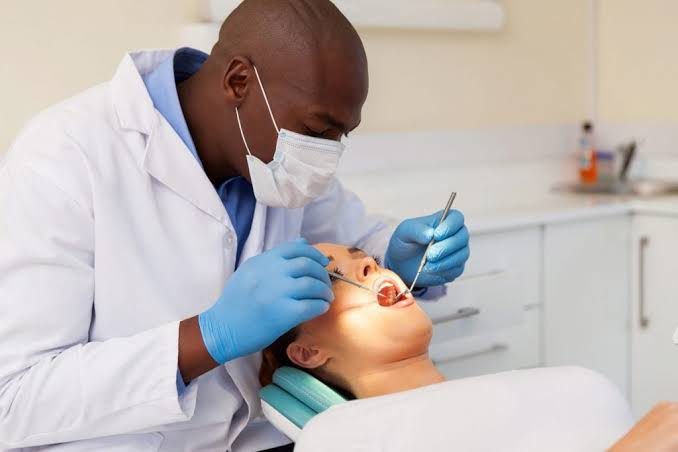
Even the most careful brushing can miss hardened tartar. A professional scale and polish and regular check-ups keep problems from building up unnoticed.
This article is general information, not a diagnosis. If you have pain or a concern about your teeth, please see a dentist.
Frequently asked questions
Should I brush straight after eating?
If you have had something acidic, such as citrus or soft drinks, it is better to wait about thirty minutes before brushing so that your enamel is not softened when you brush.
Is mouthwash necessary?
It is not essential. It can be a helpful extra, but it does not replace brushing and cleaning between your teeth.