About tooth filling
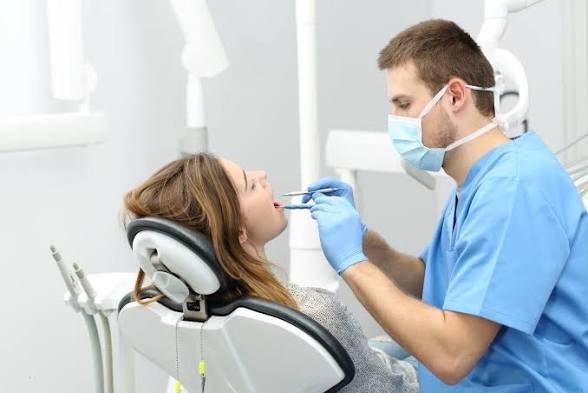
A dental filling is used to repair a tooth that has been damaged by decay, a small crack or wear. The dentist removes the damaged part of the tooth and fills the space with a suitable restorative material, so that the tooth can work normally again.
Treating a cavity early usually keeps the treatment simple. That is why regular check-ups matter: a small filling today can help avoid a bigger problem later.

What it involves
- An examination to find the damaged area and decide whether a filling is the right treatment.
- Numbing the area when needed so that treatment is comfortable.
- Carefully removing decayed or damaged material from the tooth.
- Cleaning the cavity and placing the filling material in layers.
- Shaping and polishing the filling and checking your bite so it feels natural.
Benefits
- Stops decay from continuing to spread in that area of the tooth.
- Restores the shape of the tooth so that you can chew properly.
- Can relieve sensitivity or discomfort caused by a cavity.
- Helps you keep your natural tooth rather than lose it.
- Modern materials can be shaped to blend in with the colour of your tooth.
What patients can expect
- Your dentist will explain what they found before treatment begins.
- The numbed area can feel strange for a couple of hours. Avoid chewing hot food or drink until it wears off, so that you do not bite your cheek or tongue.
- A little sensitivity to hot, cold or biting for a few days can be normal.
- If the filling feels high when you bite, return to have it adjusted.
Who it may be suitable for
- People who have a visible hole or dark spot on a tooth.
- People who feel pain or sensitivity when eating sweet, hot or cold things.
- Anyone told at a check-up that they have the beginnings of decay.
- People with a small chipped or worn tooth that needs rebuilding.
Why professional care matters
Decay does not heal by itself. It keeps getting deeper, and the deeper it goes, the more complicated treatment becomes. Having a filling placed by a dentist makes sure all of the decay is removed and that the repair seals the tooth properly.
This page is general information to help you understand the treatment. Results vary between patients, and only a dentist can advise what is right for you after examining your teeth.
Frequently asked questions
How do I know if I need a filling?
Signs can include a hole or dark spot on a tooth, food getting stuck in one place, or pain or sensitivity when eating. Some cavities cause no symptoms at all, which is why check-ups help catch them early.
Is getting a filling painful?
The area is usually numbed so the treatment is comfortable. You may feel pressure or vibration but should not feel sharp pain. Tell your dentist if anything hurts.
How long does a filling last?
It depends on the material, the size of the filling, your bite and how well you care for your teeth. Good brushing, cleaning between teeth and regular check-ups help fillings last.
What can I eat after a filling?
Wait until the numbness has worn off before eating. Then avoid very hard or sticky foods for the first day if your dentist advises it.