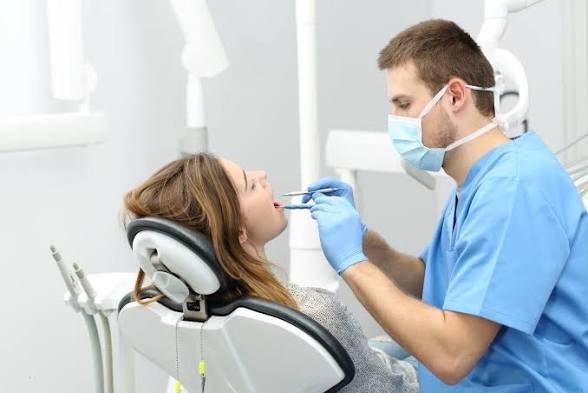
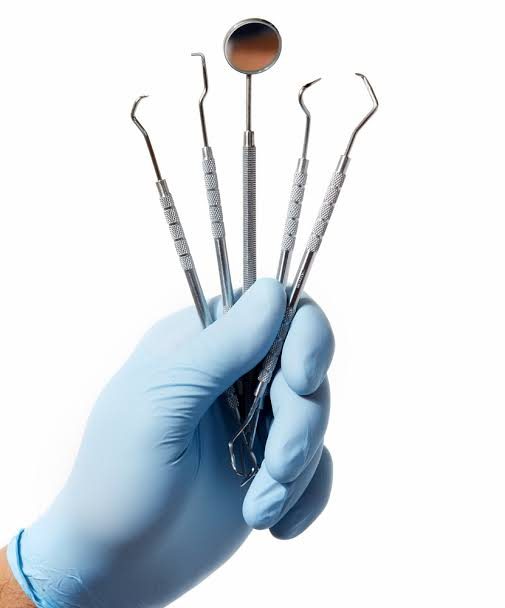
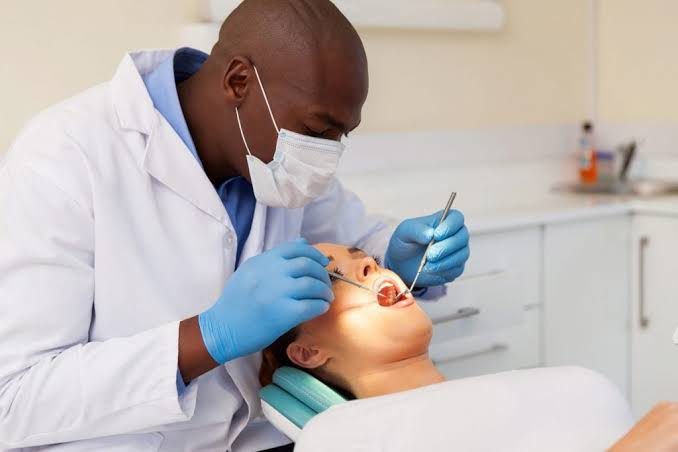
Orthodontic treatment is the part of dentistry concerned with the position of your teeth and jaws. Most people know it as braces.
What orthodontics can address
Crowded teeth, gaps, crooked teeth, teeth that stick out and bites where the upper and lower teeth do not meet well are the common reasons people seek orthodontic care.
How braces move teeth
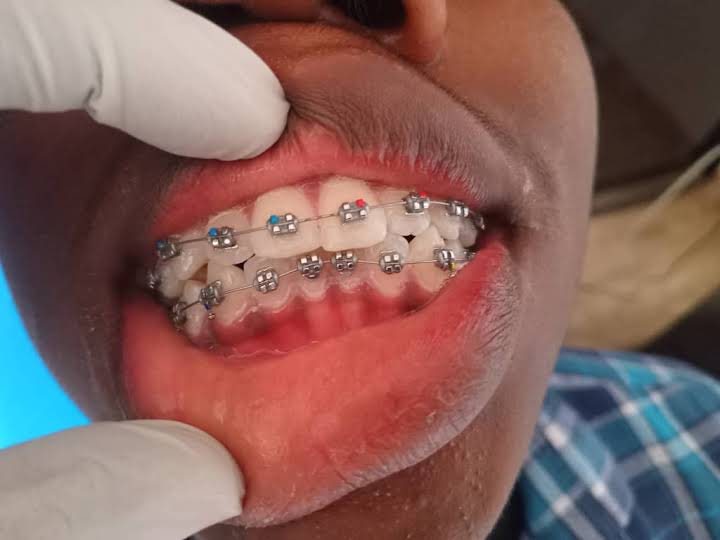
Brackets are attached to the teeth and connected by a wire. The wire applies gentle, steady pressure that slowly moves the teeth. The bone around the teeth reshapes as the teeth move, which is why treatment takes time.
The treatment journey
After an assessment and treatment plan, the appliance is fitted. You then return for regular adjustments. Once the teeth are in position, you wear a retainer to hold the result.
Caring for your teeth in braces
Plaque collects easily around brackets, so careful brushing and cleaning between your teeth are very important. Limit sugary snacks and avoid hard or sticky foods that can damage the braces.
Is it only for teenagers?
No. Adults can have orthodontic treatment too, as long as their teeth and gums are healthy.
This article is general information, not a diagnosis. If you have pain or a concern about your teeth, please see a dentist.
Frequently asked questions
What if a bracket breaks?
Contact the clinic so that it can be repaired. Do not leave it for long, because it can slow your treatment.
Will I need teeth removed?
Sometimes, if there is not enough room, but not always. Your dentist will explain after assessing your teeth.