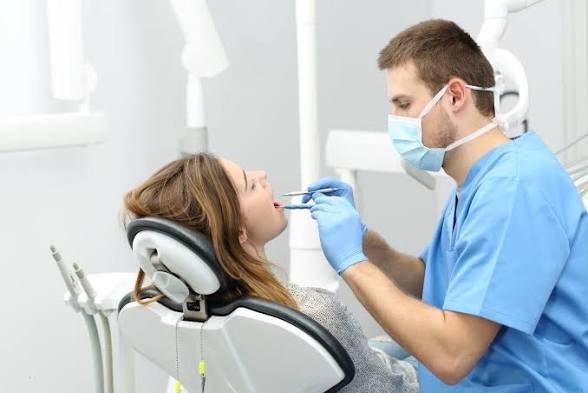
Scaling and polishing is one of the most common dental treatments, and one of the most helpful. It removes the build-up that brushing at home cannot.
Plaque and tartar
Plaque is a soft, sticky film of bacteria that forms on the teeth all day long. If it is not brushed away, minerals in saliva harden it into tartar, a rough deposit that sticks firmly to the teeth, often along the gum line.
Why tartar is a problem
Tartar gives plaque a rough surface to cling to, and it can irritate the gums, making them red, swollen and prone to bleeding. Over time, untreated gum problems can affect the support around the teeth.
What scaling involves
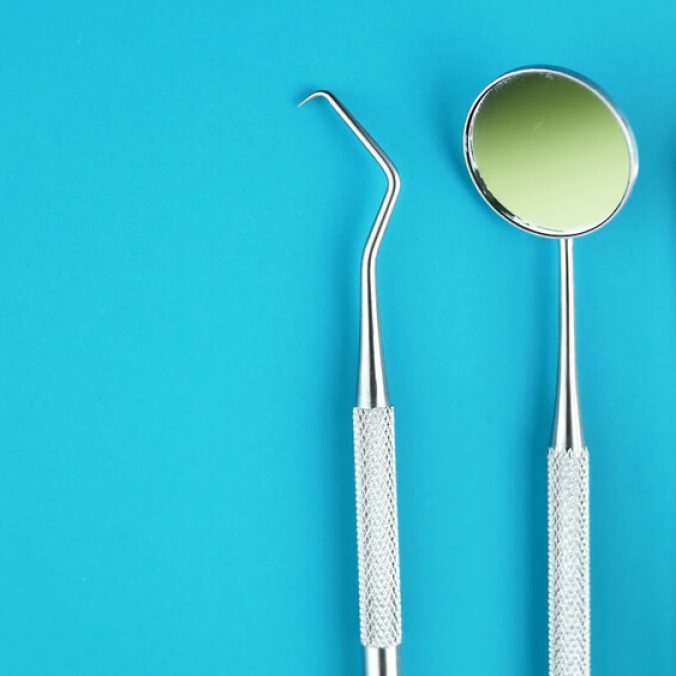
Your dentist or hygienist uses special instruments to remove tartar from the teeth and from just below the gum line, so that the surfaces are clean.
What polishing involves
Polishing uses a soft rubber cup and a gentle paste to smooth the tooth surfaces and remove light stains. Smooth teeth are harder for plaque to stick to.
Aftercare
Your gums may feel a little tender for a day or two. Keep brushing gently twice daily and clean between your teeth. Your dentist will advise how often you should return.
This article is general information, not a diagnosis. If you have pain or a concern about your teeth, please see a dentist.
Frequently asked questions
Will scaling make gaps between my teeth?
Scaling does not create gaps. Sometimes tartar was filling the space and the gums were swollen, so you notice the spaces once the tartar is gone and the gums settle.
Is it painful?
It is usually comfortable. Tell your dentist if you have sensitive teeth or gums.